CATEGORY - PAYMENTS
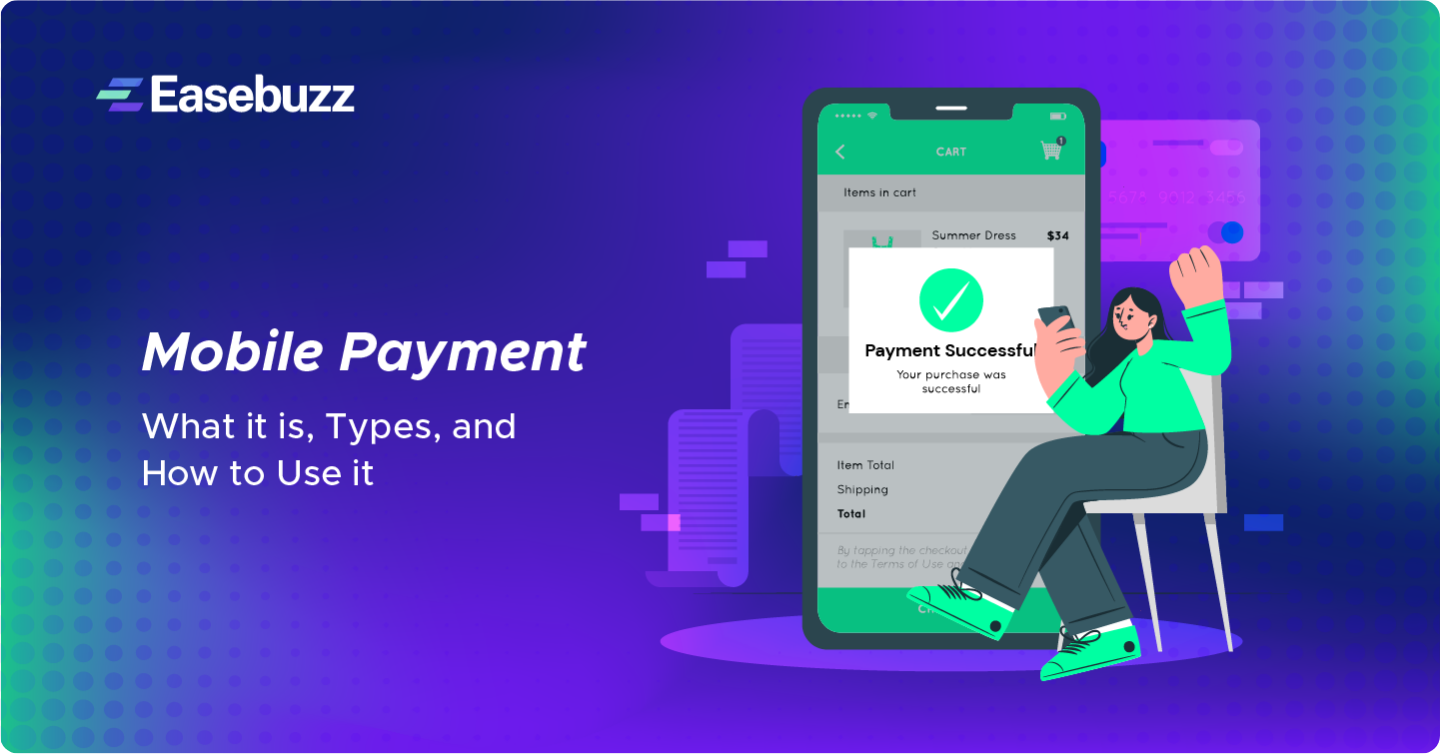
Mobile Payment: What it is, Types, and How to Use it
Payments - 3 June, 2025
-
Table of Contents
Mobile payments have transformed the way individuals and businesses handle money. With the rise of smartphones, digital wallets, and UPI apps, mobile payments have become faster, safer, and more accessible across India.
As of 2025, this payment method is no longer just a trend — it’s a daily habit for millions. Whether you’re paying for groceries, booking tickets, or sending money to friends, mobile payments are making transactions seamless and contactless.
This updated guide will help you understand what mobile payments are, their benefits, different types available today, and how you can use them in your day-to-day life.
What are mobile payments?
Mobile payments refer to financial transactions made using smartphones, tablets, or other mobile-enabled devices. Whether you’re paying a friend, shopping online, or scanning a QR code at a local store, mobile payments make it quick and easy to go cashless.
In India, mobile payments have become an essential part of everyday life—thanks to widespread smartphone usage and the growing trust in digital payments. These transactions use secure technologies like UPI (Unified Payments Interface), NFC (Near Field Communication), QR codes, and mobile wallets to transfer money.
Let’s break it down:
-

UPI apps like Google Pay, PhonePe, and Paytm allow you to send or receive money instantly from your bank account.
-
Mobile wallets store money or card details securely so you can pay at stores or online without needing physical cash or cards.
-
Contactless payments via NFC let you just tap your phone on a card machine—no swiping or PIN required.
-
QR code payments are now everywhere—from street vendors to supermarkets, making mobile transactions accessible even in small towns.
One of the biggest advantages of mobile payments is peer-to-peer (P2P) transfers. You can pay rent, split bills with friends, or send money to family—all with just a few taps. These payments can be made using credit cards, debit cards, NetBanking, or directly through linked bank accounts via UPI.
Since the early days of SMS-based payments, mobile payments in India have come a long way. The real game-changer has been UPI, which now handles billions of transactions each month, supported by features like UPI Lite for low-value offline payments and UPI AutoPay for subscriptions.
As of 2025, India continues to lead globally in mobile payment innovation—making digital transactions faster, safer, and more inclusive.

Benefits of Mobile payments
Mobile payments have become an essential part of our daily lives, especially with the widespread use of smartphones and UPI-based apps in India. Whether you’re a small business owner or a regular user making everyday purchases, mobile payments offer unmatched ease and flexibility. Here are some of the key benefits of going digital with mobile payments:
-
No More Bulky Wallets
With mobile payments, there’s no need to carry cash or cards everywhere. Just use your smartphone to pay – anytime, anywhere. It eliminates the hassle of handling loose change and lowers the risk of losing money or cards.
-
Advanced Security at Your Fingertips
Mobile payment apps now come with robust security features like fingerprint scanners, facial recognition, app locks, and encrypted PINs. These tools offer better protection than traditional cash transactions.
-
Two-Factor Authentication (2FA) for Extra Safety
Most mobile payment platforms in India use 2FA, combining passwords or biometrics with OTPs sent to your mobile number. This double layer of security helps prevent fraud and keeps your money safe.
-
Lightning-Fast Payments
No need to wait in queues or count cash. Mobile payments through apps like PhonePe, Google Pay, Paytm, and BHIM UPI let you complete transactions within seconds – all with just a few taps.
-
Easy to Set Up, Easier to Use
Setting up a mobile payment app is quick and hassle-free. Simply download the app, link your bank account or card, and you’re ready to go. Once done, you can make payments, send money, or even scan QR codes for instant transfers.
-
Accepted Almost Everywhere
From local kirana shops to large online retailers, mobile payment options are now widely accepted across India. Many businesses even offer exclusive discounts or cashback for digital payments.
Types of Mobile Payments
Mobile payments have become an integral part of how we handle money today. With just a smartphone in hand, you can pay bills, transfer money, shop online, or buy groceries—without needing cash or cards.
In 2025, mobile payment options have become more advanced, secure, and widespread. Let’s take a look at the most popular types of mobile payments used across India and the world:
-
Mobile Wallets
Mobile wallets are apps that let you store your debit/credit cards, bank details, and even loyalty points on your phone. Whether you’re shopping online or paying at a store, these wallets make payments quick and contactless.
In India, apps like PhonePe, Google Pay, Paytm, and Amazon Pay dominate this space. Internationally, Apple Pay, Samsung Pay, and PayPal are widely used.
Mobile wallets work using QR codes, barcodes, or NFC (tap-to-pay). Over time, they’ve added strong security features like biometric authentication (fingerprint or face ID), tokenisation, and real-time fraud detection.
-
Use cases: Bill payments, UPI transfers, online shopping, in-store payments
-
Tech involved: QR codes, NFC, biometrics
-
-
NFC Payments (Tap and Pay)
NFC (Near Field Communication) allows you to make payments by simply tapping your phone or smartwatch on a payment terminal.
It’s fast, secure, and doesn’t require physical contact. Most modern smartphones come with built-in NFC support, and banks are also issuing NFC-enabled debit and credit cards.
Apps like Google Pay, Samsung Pay, and Apple Pay support NFC payments.
-
Use cases: In-store shopping, public transport fares
-
Security: Encrypted transactions and tokenisation
-
-
P2P Payment Apps (Peer-to-Peer Transfers)
Peer-to-peer payment apps let you transfer money instantly to another person’s bank account using just their mobile number or UPI ID. This is especially useful for splitting bills, paying rent, or sending money to family and friends.
In India, UPI-based apps like PhonePe, Google Pay, Paytm, BHIM, and Easebuzz offer this functionality.
-
Use cases: Splitting expenses, paying local vendors, small business transactions
-
Security: Instant and 24x7, even on weekends
-
-
SMS Payments
SMS payments may not be as popular now, but they are still useful in areas with limited internet access. These allow users to send or receive money via simple text messages.
Users must first link their mobile number to their bank account. The transaction is usually authenticated through OTPs (one-time passwords). In some cases, charges may apply if linked to the telecom bill.
-
Use cases: Utility payments, donations, offline rural areas
-
Benefit: Works even without a smartphone or internet
-
-
mPOS (Mobile Point of Sale)
Mobile Point of Sale (mPOS) systems have transformed how small businesses accept payments. By plugging in a card reader to a smartphone or tablet, merchants can turn their device into a digital billing system.
Platforms like Easebuzz offer mPOS solutions in India, helping kirana stores, delivery agents, and service professionals accept card or UPI payments on the go.
-
Use cases: Small retailers, food stalls, delivery agents
-
Benefit: Portable, easy to set up, real-time transaction tracking
-

Why Mobile Payments Are a Must for Your Business
Adopting mobile payment solutions is no longer a trend—it’s a business essential. With most customers now using smartphones and wearables for everyday purchases, offering mobile payment options is key to staying relevant and competitive.
Today’s mobile payment landscape has evolved beyond simple card swipes. Businesses can now accept payments through:
-
Mobile wallets like Google Pay, AmazonPay, Samsung Pay, PhonePe, and Paytm
-
NFC (Near Field Communication) technology for quick, tap-and-go payments
-
mPOS (Mobile Point of Sale) systems, which turn smartphones or tablets into portable billing counters
-
In-app payments, where customers can complete transactions directly within your app—no need for third-party payment gateway.
Whether you’re a retail shop, a restaurant, or running an online business, enabling mobile payments improves customer experience, boosts conversion rates, and reduces checkout time.
Future of Mobile Payments in India: Smarter, Faster, Safer
Mobile payments in India are evolving rapidly, driven by innovations in fintech, growing smartphone usage, and rising digital adoption across urban and rural areas. In 2025, the future looks even brighter.
From UPI to NFC-based tap-to-pay options, mobile payment systems have become more user-friendly, secure, and efficient. Today, platforms like Google Pay, PhonePe, Paytm, and Easebuzz are offering integrated solutions that support UPI, QR code payments, mobile POS, and even credit lines—all in one place.
Businesses are increasingly embracing mobile payment apps to provide customers with a smooth checkout experience, whether in-store or online. The rise of interoperable payment gateways, real-time transaction updates, and AI-driven fraud detection have added layers of convenience and trust.
As digital payments continue to grow in volume and value, mobile payments will play a key role in shaping a cashless, connected, and inclusive economy. Whether you’re a kirana store owner or a tech-savvy shopper, mobile payments are no longer just a trend—they’re the future of everyday transactions.
Conclusion
The future of mobile payments looks incredibly promising. With advancements in AI and machine learning, users can expect more secure, efficient, and personalised experiences. As mobile payment solutions continue to evolve and expand across the globe—especially in developing regions—they will play a crucial role in driving financial inclusion and reshaping how we transact in the digital age. Embracing these innovations today means staying ahead in a world that’s rapidly going cashless.
FAQ's
What is mobile payment?
Mobile payment is a cashless method of paying using your smartphone or tablet. It lets you transfer money or buy products using apps instead of cash or cards.
What is a mobile payment app?
A mobile payment app is a digital tool that lets you pay bills, shop online, or send money using your mobile phone. Apps like PhonePe, Google Pay, Paytm, and Easebuzz offer UPI, QR payments, and card-based transactions.
Which is the best mobile payment app in India?
Top mobile payment apps in India include:
-
Google Pay
-
PhonePe
-
Paytm
-
Amazon Pay
-
BHIM UPI
-
Easebuzz – popular for business and institutional payments
Each app supports UPI, QR scans, bill payments, and secure money transfers.
Can I use a credit card for mobile payments?
Yes, most mobile payment apps allow you to:
-
Link your credit card
-
Use it for online purchases, bill payments, and UPI payments (via supported banks)
-
Track usage securely with OTPs and biometric verification
What are the advantages of mobile payments?
-
Fast & Easy: Pay within seconds using your phone
-
Secure: Encrypted, biometric login, OTPs
-
Always Available: Use anytime, anywhere
-
Trackable: Get digital receipts and transaction records
-
Cashless: No need to carry physical cash or cards
What are the disadvantages of mobile payments?
Yes, the E-Challan system is generally valid across India, but specific procedures and websites may vary slightly from state to state.
-
Needs internet access
-
Risk of fraud or phishing if security is weak
-
Can face technical issues or app crashes
-
Not accepted everywhere, especially in rural or remote areas
How do I make a mobile payment?
Follow these simple steps:
-
Download a mobile payment app (e.g., PhonePe, Easebuzz)
-
Register with your mobile number
-
Link your bank account or card
-
Scan a QR code or enter a UPI ID
-
Authenticate with a PIN, fingerprint or face ID
-
Receive confirmation once payment is successful
Share:


Related Posts
What is Bulk Payments and How They Differ from Bulk Lists
Payments - 2 June, 2025