CATEGORY - PAYMENTS
QR Code Payments: How They Work and Why Everyone’s Using Them
Payments - 3 June, 2025
-
Table of Contents
QR code payments are reshaping the digital payment space in India and globally. As of 2025, the global QR code market has grown significantly and continues to expand at a fast pace, with a projected CAGR of 16.9% till 2030. This growth highlights the increasing demand for contactless, secure, and user-friendly payment solutions.
With mobile phone penetration on the rise and digital wallets becoming more common, QR code payments have become a preferred method for both customers and businesses. They’re quick, easy to use, and require minimal infrastructure—making them ideal for retailers, small businesses, and even street vendors.
For businesses, QR payments offer multiple benefits: reduced transaction costs, faster checkouts, improved customer satisfaction, and simplified inventory tracking. By embracing this technology, businesses can create a seamless omnichannel experience and stay ahead in today’s competitive market.
Integrating QR code payments isn’t just an option—it’s a strategic move. Whether in physical stores or online platforms, adopting QR codes helps brands deliver smooth, secure, and scalable payment experiences that match evolving consumer expectations.
QR Code meaning
A QR code, in simple Quick Response code, is a type of barcode commonly used for digital payments and information sharing. In the payments space, QR codes make transactions faster and more convenient by storing payment details in a scannable format. When a customer scans the QR code using a smartphone or any compatible device, it instantly triggers the payment process—without the need to manually enter any information.
These codes can carry essential details like the payee’s account information, the amount to be paid, or other transaction-related data. This digital method simplifies the overall payment experience, saving time for both customers and businesses while ensuring a smooth and contactless transaction.

Types of QR Codes: Static vs Dynamic
QR codes have become a common tool for sharing information quickly and easily. Broadly, there are two main types of QR codes: Static and Dynamic. Here’s a simple explanation of both:
-

Static QR Codes: Static QR codes carry fixed information that cannot be changed once the code is created. The data is stored directly inside the code and can be scanned unlimited times by anyone.
These are commonly used for:
-
Sharing website links
-
Providing Wi-Fi passwords
-
Displaying contact details
Since the content is locked, any change would require generating a brand new QR code. They are best suited for cases where the information stays the same over time.
-
Dynamic QR Codes: Dynamic QR codes work differently. Instead of storing the actual data, they point to an online location where the data is kept. This means the information can be updated even after the code is printed or shared.
Businesses often prefer dynamic QR codes because:
-
They can track scan activity in real-time (like time, location, and device used)
-
The destination URL or content can be updated anytime
-
They’re ideal for marketing, promotions, and campaigns where flexibility is key
However, dynamic QR codes need an active internet connection to fetch the data, which is not required for static ones.
Choosing the Right Type
Both static and dynamic QR codes have their benefits. While static codes are great for one-time or unchanging use, dynamic codes offer better control, insights, and flexibility—making them a favourite in business and marketing.
In the sections ahead, we’ll explore how businesses across India are using QR codes to boost engagement and streamline processes.

How Does QR Codes Work?
QR codes are smart, scannable patterns made up of black and white squares. These codes store data—like payment info, website links, or plain text—and can be scanned using a smartphone or tablet camera. Let’s break it down further:
What Makes Up a QR Code?
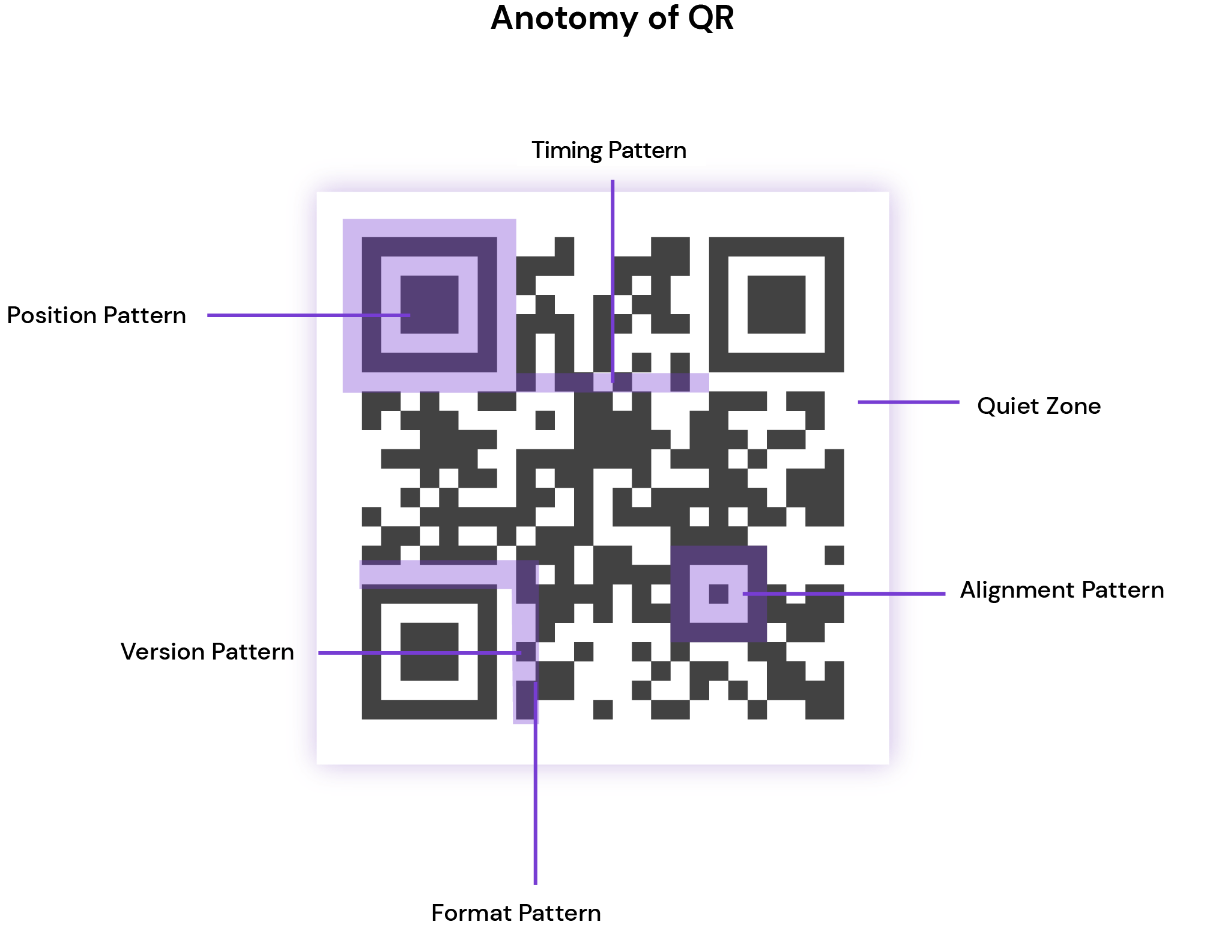
A QR code isn’t just a random pattern. It’s carefully designed with specific sections, each serving a purpose:
-
Encoding the Data: It all starts with converting information—like a URL, payment details, or text—into a code. A special algorithm turns this information into a visual pattern of black and white squares. Each pattern represents a unique set of data.
-
Positioning Markers: You’ll notice three large squares in the corners of most QR codes. These help the scanner identify the code’s position and direction, making it easier to read from any angle.
-
Timing Patterns: These are rows and columns of alternating squares that help the scanner pinpoint the structure of the code. They guide how the rest of the data is read.
-
Data & Error Correction: This area contains the actual encoded data. It also includes backup bits (redundancy) that help fix any issues if the QR code is damaged or partially obscured.
How Scanning Works
When you open a QR code scanner (usually your phone’s camera or a specific app), it captures the image of the code. The software then analyses the pattern and translates it back into usable data—whether that’s opening a webpage, showing a message, or starting a transaction.
In Payments
QR codes are widely used in digital payments across India. Typically, a QR code used for payments includes the merchant’s account details and sometimes the payable amount. When a customer scans it using their banking or wallet app (like BHIM UPI, Paytm, or Google Pay), the app auto-fills the payment details. All that’s left is for the customer to review and confirm the transaction.
How Are QR Codes Used for Payments
QR codes have emerged as one of the simplest and most convenient ways to make digital payments in India. With just a quick scan from a smartphone, users can initiate secure transactions in seconds—no need for cash or cards. Here’s how QR codes are being used across various sectors for payments:
-
Retail Stores: In physical retail outlets, shopkeepers often place a static QR code at the billing counter. When customers are ready to pay, they simply scan the code using any UPI-enabled app like Google Pay, PhonePe or Paytm. The merchant’s payment details get filled automatically, and the customer just needs to enter the amount. This makes the checkout process quicker and hassle-free.
-
Restaurants and Cafés: Food joints are adopting QR codes for both ordering and payments. Diners can scan a QR code printed on the bill or placed on the table to access the menu, place an order or make payments directly from their mobile. It reduces dependency on the staff and speeds up the overall dining experience.
-
E-commerce Websites: Online platforms are now integrating QR codes on checkout pages and in email invoices. Instead of typing card details or net banking credentials, customers can scan the QR code to make payments instantly. This improves security, reduces errors, and simplifies the process.
-
Peer-to-Peer (P2P) Transfers: Want to split a bill or pay your plumber? QR codes make that easy. Individuals can generate their own QR code through their banking or wallet app, which others can scan to send money. It’s quick, easy, and perfect for everyday transactions.
-
Subscription-Based Services: Businesses offering monthly or annual subscriptions—like gyms, newspapers, or streaming services—are now using QR codes to collect recurring payments. A QR code printed on an invoice or sent via SMS/email can be scanned each month for easy renewals, without the hassle of re-entering payment details.
-
Event Tickets: For concerts, matches, or theatre shows, event organisers are embedding QR codes on digital tickets. These serve two purposes—proof of payment and access control at the venue. Users receive the code by email or WhatsApp and simply show it on their phone at the entrance for a seamless entry.
-
Donation Campaigns: NGOs and charitable organisations are placing QR codes on websites, posters, or social media pages to make fundraising simpler. Donors can scan the code and contribute instantly through UPI, removing the friction of logging in or filling long forms.
Example of QR code payment
-
Shopping at Local Stores: Whether you’re buying vegetables or clothes, just scan the shop’s QR code with your payment app, enter the amount, and you’re done. It’s quick and easy!
-
Paying Bills: From mobile recharges to electricity bills, QR codes allow you to pay everything with a scan. No need for cash or remembering long account numbers.
-
Sending Money to Friends: Whether it’s splitting a bill or sending some cash to family, you can just scan a QR code to transfer money instantly.
QR code payments are changing the way Indians shop, pay bills, and transfer money. It’s simple, fast, and helps make cashless transactions a part of daily life.

How Indian Businesses Can Leverage QR Codes
In today’s fast-paced digital world, QR codes have become more than just a tech trend — they’re a powerful tool for businesses to engage customers, simplify processes, and reduce manual effort. From retail to restaurants, here’s how businesses across India can make the most of QR codes:
-
Contactless Payments: With the rise of UPI and digital wallets, QR codes offer a seamless way to accept payments. For instance, a café can place a QR code at the billing counter. Customers simply scan the code using their mobile banking app, enter the amount, and pay instantly — no need for cash or cards. E-commerce platforms can also include QR codes on the checkout page, letting users pay without entering card details.
-
Detailed Product Information: QR codes can link customers to useful product info beyond what’s on the packaging. A furniture store might display QR codes on item tags — once scanned, customers can view assembly videos, colour options, customer reviews or even place an order. It enhances the shopping experience and helps buyers make informed decisions.
-
Exclusive Offers & Discounts: Want to drive footfall and quick sales? Use QR codes for special offers. A fashion outlet, for example, could display a QR code in its store window. People walking by can scan it to unlock a time-limited discount or promotional deal — encouraging immediate action and boosting sales.
-
Quick Customer Feedback: Collecting customer feedback is easier with QR codes. A restaurant can print a QR code on its bill, guiding diners to a short feedback form. This makes it convenient for guests to share their experience while it’s still fresh — helping businesses act on real-time insights and improve service quality.
-
Digital Menus for Restaurants: Replace paper menus with QR-based digital ones. Simply place a QR code on each table — customers can scan it to view the latest menu, along with ingredient details, allergy info or even dish ratings. It’s eco-friendly, easy to update, and more hygienic — ideal in the post-pandemic era.
-
Easy Event Registrations: Hosting a business event, seminar or workshop? Promote registrations via QR codes. A gallery or theatre, for instance, can use QR codes on event posters — when scanned, people can instantly register or download their e-ticket to their smartphone, saving time and paper.
-
Boosting Social Media Engagement: QR codes can also help grow your brand online. Small businesses can print QR codes on packaging or receipts that link directly to their Business Whatsapp, Instagram, YouTube or Facebook pages. A customer who just made a purchase might scan it to follow the brand — staying updated on new launches and offers.
-
Efficient Inventory Management: QR codes can simplify back-end operations too. Manufacturers can tag products or components with QR codes, allowing workers to scan and update inventory at different stages — from production to dispatch. It ensures better tracking, fewer errors, and real-time stock updates.
In short, QR codes are not just about convenience — they bring efficiency, engagement and innovation to every corner of a business. Whether you’re a local kirana store, a national retailer or a fast-growing startup, integrating QR codes in your daily operations can lead to smarter business growth in 2025 and beyond.

How to Generate QR Codes for Payments: A Simple Guide
Generating QR codes for payments is a quick and easy process, but the steps may vary depending on the payment platform or service you choose. Here’s a refreshed guide with the latest process to help you get started:
-
Choose a Payment Service Provider (PSP): To begin, select a payment service provider that supports QR code payments. Your choice will depend on your business requirements and region. Popular options include banking institutions, digital wallet services like Google Pay or PhonePe, and dedicated platforms like Easebuzz.
-
Create a Merchant Account: You’ll need a merchant account with your chosen payment provider. This account will be linked to your QR code and will receive the payments. If you already have an account, you can directly use it. Otherwise, sign up with the provider. Many platforms, including Easebuzz, allow businesses to start accepting payments without needing a separate merchant account.
-
Access the QR Code Generation Tool: After logging into your account on the payment provider’s platform, find the QR code generation feature. This is usually located under the payment or tools section of the dashboard.
-
Enter Payment Details: Next, input the required payment details. This may include your merchant ID, the account where payments will be received, and the transaction amount, especially if the QR code is for a fixed product or service.
-
Generate the QR Code: Once you’ve entered the payment information, click on the “Generate” button. The platform will create a unique QR code that’s linked to the payment details you’ve entered.
-
Test the QR Code: Before using the QR code in your business, test it by scanning it with your phone. Verify that it correctly triggers the payment process and ensures that payments are directed to the right account.
-
Deploy the QR Code: After successful testing, you can now display the QR code wherever you want to accept payments—whether it’s at your point of sale, on invoices, receipts, or even your website.
Security Tips
When using QR codes for payments, security should always be a priority. Ensure you are using a reliable and secure payment platform, and display your QR codes in secure locations to avoid tampering or unauthorized modifications.
By following these steps, you’ll be able to effortlessly accept payments through QR codes, offering your customers a quick and secure way to pay.

FAQ's
Why UPI QR Code Payment Options?
UPI QR code payments are a fast, convenient, and cost-effective method for businesses and consumers to complete transactions instantly. It simplifies payments without the need for physical card swipes or cash handling, making it ideal for small and large businesses alike.
How Secure is UPI QR Code Payment?
UPI QR code payments are highly secure with multiple layers of encryption and authentication processes, including OTP, 2FA, and biometrics, ensuring safe and fraud-proof transactions for both businesses and customers.
Who are the Platform Providers of UPI QR Code for Businesses?
Leading UPI QR code providers include banks like SBI, HDFC, and ICICI, along with payment platforms such as Easebuzz, offering businesses easy-to-integrate QR solutions for payments.
How Are Payments Secure in UPI QR Code?
Payments through UPI QR codes are secure because they use two-factor authentication (2FA), encryption protocols, and secure servers to safeguard transaction data, protecting both the customer and the business.
Can Any Business Opt for UPI QR Code Payment Options?
Yes, any business, whether small, medium, or large, can opt for UPI QR code payment options. It’s a universal solution suitable for all sectors, from retail to services, providing easy and fast transactions.
Which Businesses Can Opt for UPI QR Code?
Retailers, eCommerce businesses, service providers, restaurants, and even small shops can easily integrate UPI QR codes, offering customers a seamless and contactless payment experience.
How Much Time Does it Take to Go Live for UPI QR Code Payment?
The process of going live with UPI QR code payments is quick and hassle-free, typically taking anywhere from a few minutes to a day, depending on the provider and the integration process.
Are there any charges associated with UPI QR Code payment?
For most users, UPI QR code payments remain free when done via bank apps or third-party apps. However, from April 2023, MDR charges may apply on merchant transactions done through prepaid wallets.
What fees are associated with UPI QR Code payments?
Person-to-person UPI payments via QR code are generally free. But for merchant payments made using prepaid payment instruments (like wallets), an MDR fee—typically around 1.1%—may be applicable, depending on the transaction value.
Share: