CATEGORY - PAYMENTS
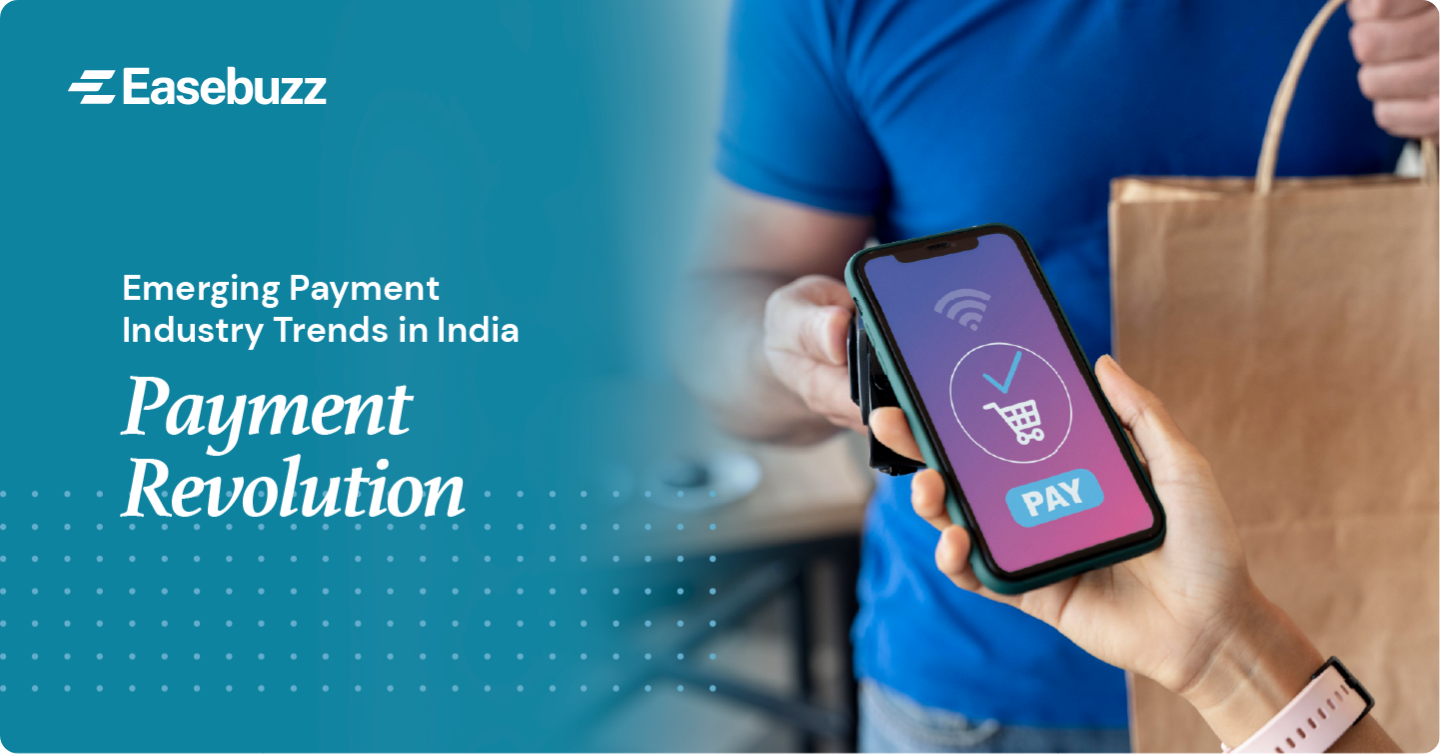
Emerging Payment Industry Trends in India – Payment Revolution
Payments - 22 Oct, 2025
-
Table of Contents
If you’ve been paying attention to how money moves in India lately, you’ll know things are changing fast - and for good. From the chaiwala down the street to high-end online marketplaces, the way online payments happen today is worlds apart from just a few years ago. In this article, let’s walk through the most important shifts in India’s payment space - from the rise of UPI 2.0 to tokenization, embedded finance, and more. Whether you’re running a startup, managing a product, or just trying to stay ahead of the curve, understanding these changes isn’t just useful - it’s non-negotiable.
The goal here? To give you a no-fluff, practical take on what’s happening in India’s payment industry and what it means for you. Whether you’re modernizing your business or building something new, payments are no longer just a backend detail - they’re central to how customers connect with your brand, how you earn trust, and how money flows. So, let’s dive in.
The Growth Surge of India’s Payment Ecosystem
India’s digital payment journey isn’t just about catching up - it’s about leading. What started as a push for financial inclusion has become a full-blown fintech wave, fundamentally changing how we pay and get paid.
A lot of this momentum comes from the top. Government-backed moves like UPI, Digital India, and Jan Dhan Yojana didn’t just open access - they built the rails. And now we’re seeing the results: a payment ecosystem that’s always on, deeply integrated, and incredibly dynamic.
Fintechs, of course, have taken this foundation and run with it. They’re not just tweaking payments - they’re redesigning entire financial workflows, from small business lending and payroll to seamless cross-border transfers. Traditional banks, instead of resisting, are collaborating - building embedded finance solutions that show up wherever users are: inside shopping apps, gig platforms, or social networks.
And then there’s the MSME sector - for long, underserved and stuck with cash-based systems. That’s changing. With easy-to-use payment tools, simple onboarding, and GST incentives, even the smallest Kirana stores are going digital - not just for ease but because it’s become essential for survival and growth.
All this isn’t accidental. It’s a result of intentional policy, tech innovation, and real market needs coming together to shape a more inclusive, flexible, and resilient financial system.
Top Payment Industry Trends in India
-

Government Push
- Programs like Digital India, Jan Dhan Yojana, and UPI have laid strong digital rails.
- Cross-border UPI payments are now simplifying international transactions, too.
-
Fintech Acceleration
- Startups are rewriting how payments work - faster, cleaner, and with the user at the centre.
-
Digital Wallets on the Rise
- Especially strong in smaller towns and cities, used for quick payments and small spending.
- Easy sign-up and reward features keep them sticky.
-
Buy Now, Pay Later (BNPL)
- A hit among younger users as a light credit option embedded into shopping journeys.
- Works both online and at physical retail.
-
Tokenisation of Card Data
- Masks card info, boosting security and meeting compliance standards.
- Builds consumer confidence in card payments.
-
AI in Payments
- Helps detect fraud, evaluate credit risk, and personalize payment experiences in real time.
- Crucial for scaling payment operations smartly.
-
Blockchain & Cryptocurrencies
- Regulation is still forming, but the core tech is enabling secure, transparent payment models.
-
UPI Credit Lines
- Banks and NBFCs are now tapping into UPI-based micro-credit.
- A game-changer for MSMEs and freelancers needing flexible access to funds.
-
Cross-border Payments
- Infrastructure upgrades and policy support are making global transfers cheaper and faster.
What the Future Holds for India’s Payment Ecosystem
As we look ahead, payments in India are set to become even more intelligent, inclusive, and globally connected. Here’s what’s on the horizon:
-
CBDC & UPI: Coexisting Seamlessly
- The Digital Rupee (e₹) is likely to become mainstream by 2030, working alongside UPI.
- It’ll support offline payments, smart contracts, and targeted spending (think subsidies and salaries).
-
AI & Biometrics
- Expect even smarter fraud detection and personalized services.
- Fingerprint or face-based payments will simplify access for everyone - especially those with limited digital literacy.
-
Global UPI
- UPI is going international.
- This means faster, low-cost remittances and better cross-border commerce, especially for freelancers and exporters.
-
Smart Contracts
- Automated agreements - like instant loan disbursements or vendor payouts - will reduce delays and errors using blockchain.
-
Open Finance
- Access to loans, insurance, or investments with just a few taps via unified platforms.
- Less paperwork, less wait, more power to the user.
-
Rural Innovation
- Voice-based UPI and offline payment options are helping include those with basic phones and no internet.
- Financial inclusion is finally reaching where it’s needed most.
-
Neobanks & Embedded Finance
- Think of banking services inside your favourite app - cab-hailing, e-commerce, you name it.
- Neobanks will provide full-fledged financial services without ever needing a branch.
Conclusion
India’s payments story is no longer about catching up - it’s about leading from the front. As digital infrastructure grows smarter and more secure, what we’re building is a future-ready financial backbone - one that can handle the needs of a billion users and beyond. UPI going global, AI securing every transaction, and embedded finance simplifying access - this isn’t the future; it’s happening now.
For businesses, startups, or even established banks, this is a pivotal time. The winners will be those who adapt quickly, align with evolving policies, and stay focused on customer-first experiences. The revolution is real - and if you’re in the game, there’s never been a better time to build, innovate, and lead.
FAQ's
What is the strongest current trend in payment processing?
Real-time, mobile-first payments powered by UPI, embedded finance, and AI. These allow for instant, seamless transactions that fit neatly into the customer journey - and make life easier for both users and businesses.
How does AI enhance payment security?
AI spots fraud as it happens, flags unusual behaviour, and learns patterns over time. It’s much quicker and more adaptive than traditional systems - keeping your transactions safer with less friction.
What are the advantages of adopting modern payment systems?
They’re faster, cheaper, and more customer-friendly. Plus, you get better data, stronger fraud protection, and smoother integration with other digital tools - all of which help your business stay agile and competitive.
What is Real-Time Payment (RTP), and why is it important?
Real-Time Payment means money moves instantly, anytime - no waiting for bank hours or business days. It’s a game-changer for things like salary payments, refunds, or emergency transfers and improves cash flow all around.
Share: