CATEGORY - SME
Fintech: What it is and How it’s Helping Small Businesses
SME - 18 June, 2025
-
Table of Contents
Fintech meaning explained
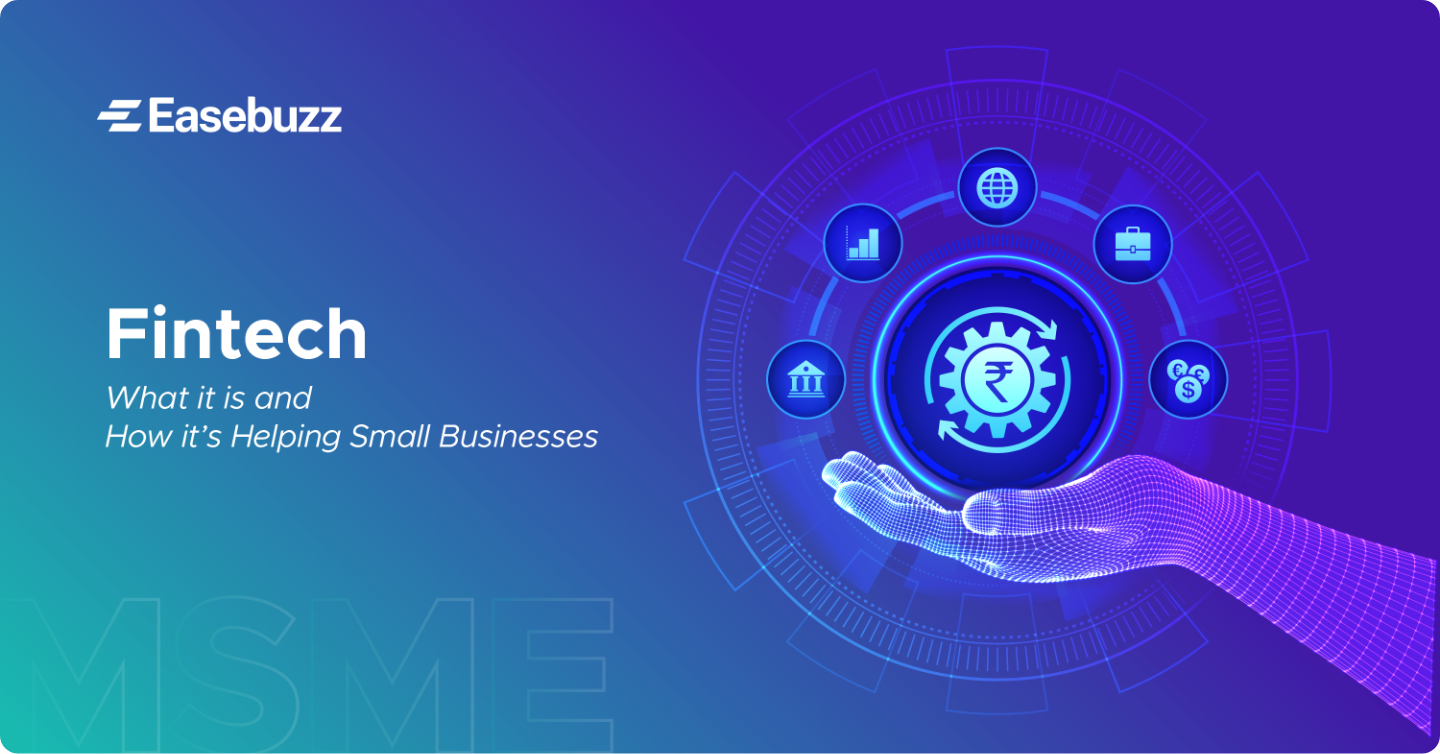
Fintech, or financial technology, uses software and algorithms—primarily via smartphones or computers—to enhance financial services. It makes managing money more straightforward, efficient, and secure for businesses and individuals. Fintech is reshaping financial transactions, improving accessibility, and revolutionizing the way financial operations are conducted.
How Fintech Empowers SMEs to Grow and Thrive
Small and Medium Enterprises (SMEs) are vital contributors to economic growth, innovation, and employment. However, they often need help with conventional financial systems, especially securing funding, managing finances, and expanding into new markets. Fintech solutions address these obstacles by offering digital tools that help SMEs to grow and succeed.
This article explores the ways fintech is reshaping the SME sector, focusing on:
-

Credit Access: Alternative credit scoring models ease loan acquisition for SMEs.
-
Payments and Invoicing: Digitally streamlining transactions and automating invoicing.
-
Financial Management: Improved cash flow management, budgeting, and expense tracking.
-
Market Expansion: Tools like e-commerce platforms and online payment systems expand market reach.
Fintech Landscape in India: Trends and Opportunities
India’s fintech sector is experiencing rapid growth, reshaping its financial landscape and positioning it as a global fintech leader with a projected valuation of $2.1 trillion by 2030. Key trends are driving India’s fintech boom:
Key Trends Driving India's Fintech Boom
Digital Payments Revolution:
-
UPI's Impact: The Unified Payments Interface (UPI) has made digital transactions easier and faster, allowing bank accounts to connect seamlessly.
-
Mobile Wallets: These are widely used and provide a convenient and secure payment method.
Financial Inclusion:
-
Aadhaar's Role: India's unique identification system, Aadhaar, has simplified KYC processes, increasing financial service access for unbanked populations.
Regulatory Support:
-
RBI's Progressive Approach: The Reserve Bank of India (RBI) encourages fintech innovation through supportive regulations.
-
Sandbox Initiatives: Regulatory sandboxes provide controlled environments for fintech companies to test new products and services.
AI and Machine Learning:
-
Personalized Services: AI-powered tools offer personalized financial advice, risk assessment, and fraud prevention.
Blockchain Technology:
-
Secure Transactions: Blockchain technology strengthens transaction security and transparency.
Opportunities for Growth
Fintech offers various opportunities for India’s SMEs, including:
-
SME Financing: Specialized solutions address the unique funding needs of SMEs.
-
Insurtech: Insurance technology provides affordable, tailored insurance products.
-
Wealthtech: Wealth management platforms empower users to control their finances.
-
Embedded Finance: Embedding finance into non-financial products is gaining popularity.
Challenges and Considerations
The growth of fintech also brings specific challenges:
-
Cybersecurity Threats: As fintech expands, the risks of cyberattacks rise.
-
Data Privacy Concerns: Safeguarding financial data is essential.
-
Digital Divide: Ensuring equitable financial access remains a challenge.
Key Benefits of Fintech Solutions for SMEs
In today’s evolving business environment, SMEs increasingly use fintech solutions to streamline operations, improve financial management, and drive growth. Here’s how fintech transforms the SME sector:
-
Enhanced Access to Finance
-
Simplified Loan Approval: Fintech platforms use analytics and alternative data to assess creditworthiness, helping SMEs secure loans efficiently and quickly.
-
Flexible Financing Options: Peer-to-peer lending, invoice financing, and business loans cater to SMEs’ specific financing needs.
-
-
Streamlined Payment Processes
-
Digital Payments: Fintech enables easy digital payments through mobile wallets, online banking, and cards, cutting down processing times and costs.
-
Global Payments: Fintech facilitates international payments and currency exchange, supporting SMEs in cross-border transactions.
-
-
Automated Financial Management
-
Automated Accounting: Routine tasks like invoicing, expense tracking, and tax filing are automated, saving time and reducing errors.
-
Real-time Insights: Advanced analytics give SMEs immediate insights into their finances, enabling data-driven decisions.
-
-
Improved Security and Fraud Prevention
-
Robust Security: Fintech platforms employ advanced security technologies to protect financial data.
-
Fraud Detection: Algorithms detect and prevent fraud, securing SME finances.
-
-
Increased Efficiency and Productivity
-
Automation: Automating repetitive tasks frees SMEs to focus on strategic goals.
-
Cash Flow Management: Fintech tools help SMEs optimize cash flow with real-time visibility.
-
What are the Laws and Regulations Governing Fintech in India?
India's fast-growing fintech sector is bolstered by digital adoption and regulatory frameworks supporting responsible innovation. Vital regulatory bodies and their roles include:
-
Reserve Bank of India (RBI): Oversees payment systems (Payment and Settlement Systems Act, 2007), regulates prepaid payment instruments, and enforces peer-to-peer lending compliance.
-
National Payments Corporation of India (NPCI): Manages systems like UPI, RuPay, and IMPS to ensure security and interoperability.
-
Securities and Exchange Board of India (SEBI): Regulates advisory services and crowdfunding.
-
Insurance Regulatory and Development Authority of India (IRDAI): Governs insurtech, including digital insurance.
Additional considerations include Aadhaar for digital identity verification, anti-money laundering laws, data protection (Personal Data Protection Bill, 2019), foreign exchange regulation (FEMA), and Goods and Services Tax (GST). Fintech companies must navigate this regulatory environment to ensure compliance and sustainability.
The Future of Fintech in India
India’s fintech future is bright, with innovations and digital solutions paving the way. Key trends shaping this future include:
-
AI-Powered Personalization
-
Enhanced Customer Experience: AI delivers hyper-personalized financial services.
-
Fraud Detection: AI tools identify fraudulent activities to protect users.
-
-
Blockchain Revolution
-
Decentralized Finance (DeFi): Blockchain supports decentralized financial platforms, reducing reliance on intermediaries.
-
Secure Transactions: Blockchain improves transaction security and transparency.
-
-
Rise of Insurtech
-
Digital Insurance: Technology-driven insurance options are more accessible and affordable.
-
AI-Driven Claims Processing: AI simplifies claims for faster settlements and improved service.
-
-
Digital Lending Boom
-
Inclusive Finance: Digital lending platforms extend credit access to underserved sectors.
-
Credit Scoring Innovation: Advanced credit assessment models lead to quicker, more efficient loan approvals.
-
-
Evolving Regulatory Landscape
-
Balancing Innovation and Regulation: The government fosters a conducive environment for fintech growth.
-
Collaboration with Regulators: Fintech companies work with authorities to develop clear guidelines and address challenges.
-
Challenges like cybersecurity, financial literacy, and regulatory complexities will need addressing, but by embracing these opportunities, India’s fintech sector is set to drive economic growth and financial inclusivity.
Tired of Juggling Finances? Try Easebuzz NEO
Easebuzz NEO offers an all-in-one financial management solution for SMEs. With fast onboarding, automated processes, and advanced features, SMEs can focus more on growth and less on admin tasks.
How Easebuzz NEO Supports SME Success
-
Business Payment Solutions: Accept payments through 150+ options, streamline cash flow, and automate reconciliations.
-
Automated Invoicing: Create, send, and track invoices with notifications for overdue payments.
-
Intelligent Banking Tools: Get real-time financial insights on a central dashboard.
-
Expense Management: Use SmartX for easy reimbursements and prepaid cards with spending controls, all managed digitally.
Schedule your FREE DEMO today
Conclusion
Fintech is transforming the financial landscape for SMEs, enhancing efficiency, security, and growth potential. Easebuzz NEO stands out by simplifying financial operations and offering tailored solutions for SMEs. Embracing fintech isn’t just about keeping up with trends; it’s about achieving economic agility and driving sustained growth in the digital age. Join the fintech revolution to streamline your business finances and unlock new growth opportunities.
FAQs
What is fintech for SMEs?
Fintech for SMEs encompasses digital tools for payments, loans, and financial management tailored to small and medium-sized businesses.
How is fintech helping SMEs in India?
In India fintech players help SMEs via facilitating easier credit access, digital transactions, and cost-effective management tools.
What is the role of fintech in SMEs?
The role of fintech plays a critical role in financial inclusion, operational efficiency, and strategic growth through technology integration.
Share: